Why the Design-Build Model is the Secret to a Stress-Free Custom Home

Building a custom home on Whidbey Island is one of the most meaningful investments you will ever make. The sweeping water views, the quiet neighborhoods, and the tight-knit community of Oak Harbor, WA make it a genuinely special place to put down roots. But no matter how beautiful the setting, the process of building that home can become overwhelming fast, especially when you are juggling architects, contractors, timelines, and budgets that never seem to stay aligned. That is where the design-build model changes everything.

For homeowners in Oak Harbor and across Whidbey Island, partnering with a qualified design-build firm is the clearest path to a smoother, less stressful, and ultimately more successful custom home experience.

What Is the Design-Build Model and Why Does It Matter?

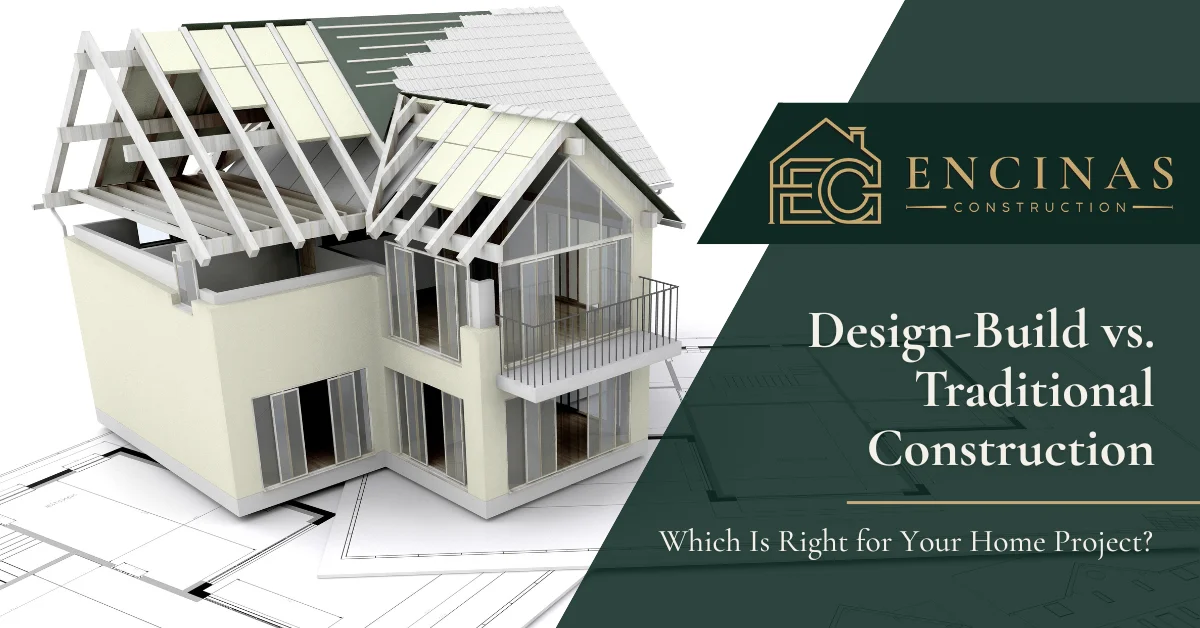
Before diving into the benefits, it helps to understand what sets this approach apart. In the traditional design-bid-build model, design and construction services are split into separate entities with separate contracts and separate work. Once plans are approved, they are sent out to local contractors for competitive bidding and then construction begins. This fragmented approach forces homeowners to act as the middleman between professionals who may have never worked together.

The design-build model flips that entirely. With the design-build method, one entity works under a single contract with the project owner to provide both design and construction services, creating one unified flow of work from initial concept through completion and integrating the roles of designer and constructor. For a custom home builder serving Oak Harbor, WA and the surrounding Whidbey Island area, this means your vision is protected from the first sketch all the way through final walkthrough.

Rather than juggling separate contracts and teams, the design-build model brings design and construction together under one roof, creating a unified and highly efficient experience for the homeowner. That efficiency is not just a convenience; it is often the difference between a project that stays on time and on budget and one that spirals out of control.

One Team, One Vision: The Power of Unified Accountability

One of the most common pain points in traditional construction is the blame game. When a detail goes wrong, the architect points to the contractor and the contractor points back to the architect. The homeowner is left holding the confusion. The design-build model eliminates that problem entirely.

When the team that designs your home is also contractually responsible for constructing it, there are no handoff errors and no communication breakdowns. The Design-Build Institute of America describes this delivery method as creating a single point of accountability for quality, cost, and schedule.

Because everything is handled by one team, accountability is clearer and the process is more transparent. From the earliest conversations, the design-build team collaborates internally to solve problems before they even reach the homeowner. For families planning home additions or major home renovations in Oak Harbor, that kind of proactive problem-solving can save thousands of dollars and months of frustration.

Under the design-bid-build model, homeowners must handle multiple contracts with separate entities, and conflicts between them can become a real mess. The design-build system is structured to avoid these issues entirely, so the homeowner never has to be the referee. You hired a team to build your dream home, not to moderate disputes between professionals.

Better Budgeting and Fewer Surprises with Pre-Construction Services

Budget overruns are one of the most stressful aspects of any construction project. In traditional models, a homeowner often does not discover that their design exceeds their budget until after the architect has already been paid and the bids come back from contractors. By that point, painful revisions are unavoidable.

This is where pre-construction services become invaluable. A design-build firm integrates cost planning from day one, meaning your budget is a living part of the design conversation rather than an afterthought.

Design-build eliminates friction by integrating pricing, design, and build considerations from day one, which protects both your vision and your budget. When an Oak Harbor custom home builder operates under this model, they are not just designing the home you want. They are designing the home you can actually build within your financial goals.

Working with a design-build team that offers transparent, all-in budgeting makes the process much smoother, as they can provide accurate cost estimates based on real-world experience and help you align your vision with your financial goals. That kind of clarity early in the process is what separates a rewarding building experience from a stressful one.

The Design-Build Institute of America describes the process as delivering earlier knowledge of firm costs, fewer changes, and fewer disputes when executed well. For homeowners on Whidbey Island planning home additions or full custom builds, knowing what things will cost before construction begins is an enormous advantage.

Faster Timelines and Smarter Communication for Home Renovations and New Builds

Time is money in construction, and delays are one of the biggest sources of homeowner frustration. The design-build model is specifically structured to keep projects moving forward without unnecessary downtime.

While traditional design-bid-build methods require you to complete the entire design before breaking ground, the design-build model allows both phases to happen simultaneously, reducing downtime and accelerating the entire project. For a custom home builder in Oak Harbor, WA, that overlap in phases can mean weeks or even months shaved off a project timeline.

Communication also improves dramatically. Since designers and builders are part of the same team, they share information freely and consistently, eliminating the common problem of misaligned expectations between separate firms. Builders can provide real-time feedback during the design phase, suggesting materials, layouts, or construction methods that improve durability, performance, or cost efficiency.

For those pursuing home renovations or complex home additions on Whidbey Island, that kind of back-and-forth collaboration during the design phase prevents the costly surprises that often derail projects midway through construction. With one team handling everything from material sourcing to managing construction crews, the project progresses smoothly, and homeowners receive consistent updates that make the entire process as stress-free as possible.

Why Whidbey Island Homeowners Should Choose a Local Design-Build Firm

Building in Oak Harbor, WA and across Whidbey Island comes with unique considerations. Island logistics, local permitting requirements, coastal site conditions, and community aesthetics all play a role in how a home should be designed and built. A local design-build firm understands these factors at a level that out-of-area companies simply cannot match.

When you work with a design-build firm rooted in the Oak Harbor community, you benefit from relationships with trusted local subcontractors, familiarity with the permitting office, and a deep understanding of what it takes to build on the island. Pre-construction services with a local partner mean your plans are developed with real site conditions in mind, not generic assumptions.

A successful build begins with careful planning that ensures design intent aligns with functionality, budget, and lifestyle goals, and following these steps minimizes surprises during construction while ensuring the final home meets or exceeds expectations. A local design-build firm brings that planning discipline along with the kind of community knowledge that makes the difference on an island like Whidbey.

Whether you are looking to build a new custom home, expand with home additions, or work through a comprehensive home renovation, choosing a design-build firm in Oak Harbor means choosing a team that is invested in your project and in the community around it.

Conclusion

The design-build model is not just a construction method. It is a smarter way to bring your vision to life with less stress, fewer surprises, and a team that is fully committed to your success from start to finish. For homeowners in Oak Harbor, WA and across Whidbey Island, working with a local custom home builder who operates under this model means your home is designed and built by people who understand both your goals and your community. If you are ready to explore pre-construction services, plan home additions, or start the custom home process, a qualified design-build firm is the partner you need.

Need Custom Home Builders Near You?

Whether you’re dreaming of a modernized kitchen, a spa-inspired bathroom, or a complete home makeover, our team here at Encinas Construction is your trusted partner in turning those dreams into reality. With our expertise, dedication to quality, and commitment to customer satisfaction, we deliver renovations that not only enhance your living space but also enrich your lifestyle. Contact us today and discover the difference craftsmanship and personalized service can make.

Preparing Your Whidbey Island Home for Outdoor Living Season

Whether you are a longtime resident of Oak Harbor, WA, or a newer arrival drawn to the island’s natural beauty, getting your outdoor spaces ready for the season is one of the most rewarding investments you can make in your home. Working with a custom home builder or a design-build firm familiar with the unique conditions of Whidbey Island can make that transformation smoother, more durable, and more beautiful than you might expect.

Assessing Your Current Outdoor Spaces Before the Season Begins

The first step in preparing for outdoor living season is taking an honest look at what you have. Walk around your property with fresh eyes. Inspect your deck or patio for signs of wear, rot, or structural weakness that the wet Pacific Northwest winters can leave behind. Check your fencing, retaining walls, and any permanent outdoor structures for shifting, cracking, or water damage.

Whidbey Island’s diverse landscape, which includes lush forests, tranquil beaches, and picturesque farmlands, stretches approximately 55 miles from north to south, and that geography creates a range of microclimates that affect how homes and outdoor structures age. Homes on the western shore near Oak Harbor, WA may face stronger winds and salt exposure than those tucked into the island’s forested interior. A qualified custom home builder with local experience will understand how those environmental differences affect materials and construction methods.

Pre-construction services from a reputable design-build firm can also be valuable here. Before you commit to a new deck, pergola, or outdoor kitchen, having professionals assess your site conditions, drainage patterns, and soil stability can save you from costly problems down the road. Think of this stage as laying the groundwork for every improvement that follows.

Expanding Your Living Space With Thoughtful Home Additions

One of the most popular requests local homeowners bring to design-build firms in the Oak Harbor area is the desire to blur the line between indoors and outdoors. Home additions that incorporate large sliding glass doors, covered porches, or seamlessly connected outdoor rooms allow you to extend your usable square footage and enjoy the island’s scenery from the comfort of a well-designed space.

The drier summer weather on Whidbey Island encourages an active outdoor lifestyle, and residents spend weekends hiking, beachcombing, crabbing, clamming, and watching for whales along the shoreline. Your outdoor space should support that lifestyle. A covered patio with weatherproof finishes means you are not limited to only the sunniest days. A well-positioned deck addition can frame a view of the water, the forest, or the mountains that you simply cannot enjoy from inside.

Home additions of this kind require careful planning, especially on an island where building materials and contractor availability can be more limited than on the mainland. Engaging a design-build firm that specializes in home renovations on Whidbey Island means you benefit from established supplier relationships, knowledge of local permitting requirements, and a team that understands the specific demands that island weather places on building materials. From composite decking that resists moisture to roofing systems engineered for wind resistance, every material choice matters here.

Landscaping and Hardscaping for Year-Round Enjoyment

Outdoor living is not just about the structures attached to your home. The landscaping and hardscaping surrounding your property set the tone for how the entire space feels. In Oak Harbor and across Whidbey Island, homeowners are increasingly investing in functional outdoor environments that combine beauty with practicality.

Consider patios built from locally sourced stone or high-quality pavers that complement the natural colors of the island’s landscape. Raised garden beds, gravel pathways, and native plantings can reduce maintenance while enhancing curb appeal. A fire pit or outdoor fireplace extends the usable season well into the cooler fall months, which is a genuine advantage on an island where evening temperatures can drop quickly even in summer.

A design-build firm offering pre-construction services can help you think through these elements as a cohesive system rather than a collection of unrelated projects. Good drainage planning, for example, protects both your landscaping investment and your home’s foundation. Thoughtful grading and hardscaping can redirect water away from the home while creating level, usable outdoor areas that would otherwise require significant earth moving.

Oak Harbor is widely regarded as one of the more affordable places left in Washington with water views and direct access to outdoor recreation, which makes investing in outdoor improvements particularly sensible. You are enhancing a property that already benefits from one of the most desirable natural settings in the Pacific Northwest.

Choosing the Right Materials and Features for the Pacific Northwest Climate

Material selection is one of the most critical decisions you will make during any outdoor home renovation. The Pacific Northwest climate, while milder than many parts of the country, introduces consistent moisture, mold risk, and UV exposure from intense summer sun. A custom home builder familiar with Whidbey Island conditions will guide you toward materials that perform well over time rather than simply looking attractive at installation.

For decking, pressure-treated lumber, composite decking, or tropical hardwoods are all strong options depending on your budget and aesthetic preferences. Each has trade-offs in terms of maintenance, longevity, and environmental impact, and a knowledgeable design-build firm will walk you through those trade-offs clearly. For outdoor structures like pergolas and covered patios, powder-coated aluminum or naturally rot-resistant wood species such as cedar or redwood tend to hold up well in this region.

Outdoor kitchens and entertainment areas are increasingly popular home additions among Whidbey Island homeowners. Stainless steel appliances, sealed stone countertops, and weatherproof cabinetry are standard features that perform well outdoors. Proper shelter from the prevailing winds and rain is essential for any outdoor kitchen to be practical rather than purely ornamental.

Lighting is another element that deserves careful thought. Low-voltage LED path lighting, string lights, and integrated deck lighting extend the usefulness of outdoor spaces into the evening hours and dramatically improve the ambiance of the space. Working with a design-build firm that coordinates electrical, structural, and finish work under one roof simplifies the process considerably.

Working With a Local Design-Build Firm to Bring Your Vision to Life

Perhaps the most important decision in any outdoor living project is choosing the right team. Home renovations on Whidbey Island come with a unique set of logistical and environmental considerations that favor working with professionals who have deep local roots. A design-build firm based in or near Oak Harbor, WA brings knowledge of local building codes, island-specific permitting processes, and established relationships with suppliers who can deliver materials efficiently.

Oak Harbor embodies the Pacific Northwest lifestyle with its lush greenery, mountain views, and proximity to Puget Sound, and the homes in this community deserve outdoor spaces that reflect and celebrate that setting. A custom home builder who understands that vision will approach your project with a level of care and local insight that a general contractor unfamiliar with the island simply cannot match.

Pre-construction services are especially valuable on Whidbey Island because the planning phase is where local expertise pays the biggest dividends. Site analysis, material sourcing, scheduling around weather windows, and coordinating with island-specific utility and permitting offices all require knowledge that comes from years of working in this specific community.

Whether you are envisioning a modest deck refresh, a full outdoor kitchen addition, or a comprehensive set of home additions that transform how your household interacts with your property, a design-build firm built around collaboration and transparency will deliver results that last.

Conclusion

Preparing your Whidbey Island home for outdoor living season is more than a seasonal chore. It is an opportunity to deepen your connection to one of the most beautiful places in the Pacific Northwest. From honest assessments of your existing structures to inspired home additions designed around your lifestyle, each step in the process adds lasting value. Partnering with an experienced custom home builder and design-build firm in Oak Harbor, WA ensures that every decision is informed by genuine local knowledge, and that the outdoor spaces you create will serve your family beautifully for years to come.

Need Custom Home Builders Near You?

Whether you’re dreaming of a modernized kitchen, a spa-inspired bathroom, or a complete home makeover, our team here at Encinas Construction is your trusted partner in turning those dreams into reality. With our expertise, dedication to quality, and commitment to customer satisfaction, we deliver renovations that not only enhance your living space but also enrich your lifestyle. Contact us today and discover the difference craftsmanship and personalized service can make.

How to Plan a Home Remodel Without Costly Mistakes

Thinking about upgrading your living space? Whether you are refreshing a single room or tackling a full renovation, knowing how to plan a home remodel the right way can save you thousands of dollars and months of unnecessary stress. Too many homeowners dive into projects without a clear roadmap, only to find themselves over budget, behind schedule, and dealing with results they never wanted. With the right approach from the start, you can avoid the most common pitfalls and enjoy a smoother, more rewarding process.

1. Start With a Clear Vision and Realistic Budget

The foundation of any successful home remodeling project is a well-defined plan paired with an honest budget. Before you call a single contractor or pick up a paint swatch, sit down and write out exactly what you want to accomplish. Are you renovating the kitchen to add functionality? Updating bathrooms for a more modern feel? Adding square footage to accommodate a growing family? Getting specific about your goals will help you communicate clearly with professionals and avoid scope creep later on.

Once your vision is in place, it is time to talk numbers. Research the average costs of your project type in your area. Costs vary significantly by region, so what a remodel runs in a major metro might be very different from what you would pay for home remodeling in Oak Harbor, WA, or a similar mid-sized market. As a general rule, build in a contingency fund of at least 15 to 20 percent above your estimated project cost. Unexpected issues like outdated wiring, water damage, or structural surprises are common, especially in older homes.

Avoid the trap of underestimating costs just because you want the project to be affordable. A budget that is too tight will either stall your project midway or force you to cut corners on materials and labor. Be honest with yourself about what you can spend, and design your project around that number rather than hoping the costs will somehow work themselves out.

2. Research and Hire the Right Professionals

One of the biggest and most expensive mistakes homeowners make is hiring the wrong contractor. A bad hire can result in shoddy work, missed deadlines, and costly do-overs. This is why vetting your professionals thoroughly is a non-negotiable step when learning how to plan a home remodel effectively.

Start by asking friends, family, and neighbors for referrals. Online reviews can also be helpful, but personal recommendations carry more weight. Once you have a shortlist, request detailed written estimates from at least three contractors. Avoid choosing based on price alone. The lowest bid is sometimes a red flag, indicating that a contractor may cut corners or does not fully understand the scope of the work.

Verify that any contractor you hire is properly licensed and insured in your state. In Washington State, contractors must be registered with the Department of Labor and Industries. This protects you in the event of accidents or disputes. Always get a written contract that outlines the scope of work, timeline, payment schedule, and what happens if changes arise mid-project. A solid contract protects both parties and keeps everyone accountable.

For homeowners considering home remodeling in Oak Harbor, WA, it is worth looking into local contractors who are familiar with regional building codes and permit requirements. Local professionals often have established relationships with inspectors and suppliers, which can speed up your project timeline and reduce headaches.

3. Understand Permits and Local Regulations

Skipping permits might seem like a way to save time and money, but it is one of the costliest mistakes you can make. Unpermitted work can create serious problems when you go to sell your home, may void your homeowners insurance, and could require you to tear out completed work if discovered during an inspection.

Before any work begins, find out which parts of your project require permits. Structural changes, electrical work, plumbing updates, and additions almost always need permits. Cosmetic upgrades like painting and flooring typically do not. Your contractor should be familiar with local requirements, but it is smart to do your own homework as well.

If you are planning home remodeling in Oak Harbor, WA, you will need to work within the guidelines set by the City of Oak Harbor’s Building Division. Requirements can differ from neighboring jurisdictions, so do not assume that rules are uniform across the county. Getting permits may add a few days to your project timeline, but it ensures that work is inspected and meets safety standards, which ultimately protects your investment and your family.

4. Create a Realistic Timeline and Stick to It

One of the most overlooked aspects of how to plan a home remodel is developing a realistic project timeline. Homeowners often underestimate how long renovations actually take, and that optimism can lead to living without a functional kitchen for months or displacing your family longer than expected.

Work with your contractor to build a detailed schedule that accounts for each phase of the project. Consider lead times for materials, which have been volatile in recent years due to supply chain fluctuations. Custom cabinetry, specialty tile, and certain appliances can take weeks or even months to arrive. Ordering these items early in the process helps avoid costly delays.

Factor in time for inspections, which are required at specific stages of permitted work. Inspectors do not always have immediate availability, so plan for potential gaps in your schedule. If you are remodeling a primary living space, have a clear plan for where your household will function during construction. Trying to live in a half-demolished home without a plan leads to frustration and rushed decisions that cost money.

Build buffer time into your schedule, especially if you are coordinating multiple trades such as electricians, plumbers, and tile setters. Delays are common when one trade finishes late and causes a chain reaction of postponed work. A buffer of one to two weeks per major phase is a reasonable cushion.

5. Make Decisions Early and Avoid Mid-Project Changes

If there is one universal truth in home remodeling, it is this: changes made after work has started are expensive. Every time you change your mind about a cabinet style, a tile pattern, or a wall placement after the work is underway, you are potentially adding hundreds or thousands of dollars to your final bill.

The antidote is to make all of your selections before construction begins. Choose your finishes, fixtures, appliances, and materials in advance. Create a design document or board that captures everything so there is no ambiguity on the job site. If you are working with a designer, use that relationship to pressure-test your choices before they are locked in.

That said, some changes are unavoidable. Hidden conditions like rotted subflooring or improper previous work may require adjustments to the original plan. This is another reason why that contingency budget is so important. When unexpected issues arise, you need financial flexibility to handle them without derailing the entire project.

The key is to distinguish between necessary changes and impulsive ones. Before approving any change order, ask yourself whether it is truly needed or whether you are reacting emotionally to something that felt fine just a few days ago. Taking 24 hours before signing off on a change can prevent regret and unnecessary spending.

Conclusion

Knowing how to plan a home remodel is really about preparation, patience, and making informed decisions at every stage. Whether you are embarking on a small renovation or a major overhaul, setting a clear vision, hiring the right team, understanding local regulations, building a realistic timeline, and locking in your decisions early will help you stay on track. For those considering home remodeling in Oak Harbor, WA, partnering with local professionals who understand your market and building requirements makes a meaningful difference. Put in the planning work upfront, and the results will speak for themselves.

Need Custom Home Builders Near You?

Whether you’re dreaming of a modernized kitchen, a spa-inspired bathroom, or a complete home makeover, our team here at Encinas Construction is your trusted partner in turning those dreams into reality. With our expertise, dedication to quality, and commitment to customer satisfaction, we deliver renovations that not only enhance your living space but also enrich your lifestyle. Contact us today and discover the difference craftsmanship and personalized service can make.

Whole-Home Remodel vs Room-by-Room: What Makes More Sense?

The question of whether to tackle a whole home remodel vs partial remodel is one of the most common dilemmas in home improvement. Both paths have real merit, and the right choice depends on your budget, timeline, lifestyle, and long-term goals. This guide breaks down the key considerations so you can move forward with confidence.

The Core Difference Between a Full and Phased Renovation

Before comparing costs and timelines, it helps to understand what each approach actually involves. A whole home remodel means addressing every major system and space in your house at once. This typically includes the kitchen, bathrooms, flooring, lighting, electrical, plumbing, and sometimes structural changes. Everything is planned together, executed by a coordinated team, and completed within a single project window.

Phased remodeling vs full renovation takes a different path. Instead of doing everything at once, homeowners prioritize one room or one system at a time. You might start with the kitchen this year, move to the master bathroom next year, and tackle the living areas the year after. It is a slower process, but it allows you to spread costs out and adjust your plans as life changes.

Both strategies result in a transformed home. The difference lies in how you get there, and what you are willing to deal with along the way.

The Financial Reality: Cost of Whole Home Remodel vs Doing It in Stages

Money is almost always the deciding factor in any renovation strategy. The cost of a whole home remodel can be significant, especially in markets like Oak Harbor where labor and materials have seen steady price increases in recent years. A full gut renovation of a mid-sized home can run anywhere from $100,000 to $300,000 or more, depending on finishes, square footage, and the extent of structural work involved.

At first glance, phased remodeling seems more affordable because you are only writing one check at a time. That perception is partially true. Spreading your home renovation across several years does make each individual payment more manageable. However, there is a financial trade-off that many homeowners overlook.

When you renovate in stages, you often pay for the same work multiple times. A contractor may need to open walls in your kitchen that were just finished two years ago because the plumbing for your bathroom renovation runs through them. You might also face design inconsistencies that require costly corrections later. Mobilization costs, meaning the fees associated with bringing a crew to your home, securing permits, and staging materials, are repeated with every phase.

A full renovation, by contrast, consolidates those costs. Labor is more efficient when a crew can move through the entire house without interruption. Permits can often be pulled once. Materials can be ordered in bulk, which sometimes reduces per-unit costs. If your finances allow for it, the all-at-once approach can deliver better value over the life of the project.

That said, not every homeowner has access to the capital required for a full renovation upfront. Home equity loans, renovation mortgages, and construction financing have made full projects more accessible, but they still require strong credit and sufficient equity. For many Oak Harbor homeowners, phased remodeling remains the only practical path forward.

Lifestyle Disruption: Living Through a Renovation

One of the most underestimated aspects of any home renovation is the toll it takes on your daily life. Living through a whole home remodel is genuinely challenging. Dust, noise, limited access to kitchens and bathrooms, and the presence of contractors in your home for weeks or months can test even the most patient homeowners. Many families choose to temporarily relocate during a full renovation, which adds to the overall project cost.

Phased remodeling offers a gentler disruption pattern. When only one room is under construction, the rest of your home remains functional. You lose access to your kitchen for a few weeks, but your bathrooms are still usable. You can work around a bathroom renovation if your kitchen and living spaces are intact. For families with children, elderly residents, or anyone who works from home, this staged approach can be much more livable.

However, it is important to acknowledge that a phased renovation never truly ends until it ends. Living in a home that is always partially under construction for three, five, or even ten years carries its own psychological weight. The constant anticipation of the next project, the ongoing planning, and the disruption that comes around every year or two can wear on a household in ways that are easy to underestimate at the start.

Design Cohesion and Long-Term Vision for Your Oak Harbor Home

One of the strongest arguments in favor of a whole home remodel is design cohesion. When everything is planned and executed at once, a single design vision runs throughout the entire home. Your flooring flows seamlessly from room to room. Your lighting scheme is consistent. Trim profiles, hardware finishes, and color palettes are coordinated from day one. The result feels intentional, polished, and unified.

Phased remodeling vs full renovation creates a real risk of design fragmentation. Tastes change over time. The tile you loved in 2022 may feel dated by 2027 when you are finally getting to the adjacent hallway. Materials that were widely available when you started your first phase may be discontinued by the time you begin your third. Trying to match finishes across multiple years of purchasing is a challenge that even experienced designers find frustrating.

That said, a thoughtful homeowner can mitigate these risks with careful upfront planning. Some people work with a designer at the beginning of their phased renovation to establish a master design plan, even if execution will happen in stages. This approach allows you to make informed purchasing decisions early, lock in design direction, and ensure that each phase fits logically into the broader vision for your home.

For Oak Harbor homeowners with older properties, there is another design consideration worth raising. Homes that have been renovated piecemeal over decades often have a layered, inconsistent quality that reduces both livability and resale value. A whole home remodel is an opportunity to strip that history back and start fresh with a coherent, modern aesthetic.

Choosing the Right Renovation Strategy for Your Situation

There is no universal answer to the whole home remodel vs partial remodel debate. The best renovation strategy is the one that aligns with your specific circumstances. Here are the factors that should drive your decision.

Your financial position matters most. If you have the equity, the financing, or the savings to fund a full renovation, the long-term value proposition is strong. If your budget is limited, phased remodeling is a responsible and practical choice that still moves your home forward.

Your timeline and life stage also play a role. A family that just purchased a fixer-upper and plans to stay for twenty years has different needs than a couple preparing to sell in three years. Short-term sellers often benefit from targeted renovations in high-impact areas like kitchens and bathrooms, rather than investing in a full renovation that may not be fully reflected in the sale price.

Finally, consider the current condition of your home. If your Oak Harbor home has aging infrastructure, such as outdated electrical panels, old plumbing, or a roof nearing the end of its life, a whole home renovation allows you to address all of those systems efficiently. Patching one problem at a time can become more expensive in the long run.

Conclusion

Both phased remodeling and full renovation are legitimate paths to a better home. The cost of a whole home remodel is higher upfront, but the long-term efficiency, design cohesion, and reduced disruption often justify the investment. Phased remodeling offers flexibility and lower short-term costs, but requires careful planning to avoid inefficiency and design inconsistency. For Oak Harbor homeowners, the smartest move is to consult with an experienced local contractor who can assess your home, understand your goals, and help you build a renovation strategy that makes sense for your life and your budget.

Need Custom Home Builders Near You?

Whether you’re dreaming of a modernized kitchen, a spa-inspired bathroom, or a complete home makeover, our team here at Encinas Construction is your trusted partner in turning those dreams into reality. With our expertise, dedication to quality, and commitment to customer satisfaction, we deliver renovations that not only enhance your living space but also enrich your lifestyle. Contact us today and discover the difference craftsmanship and personalized service can make.

Designing a Custom Home in Coupeville That Maximizes Views and Natural Light

Designing a custom home in Coupeville, WA begins with an appreciation of the setting. Coupeville sits on the shores of Penn Cove and looks across the sweeping landscapes of Whidbey Island. The combination of water, sky, forest, and rolling farmland gives homeowners opportunities that are rare in many coastal regions. When you work with a view home builder who understands these elements, each design choice can be shaped around sunlight patterns, shoreline perspectives, and the rhythms of Island County life.

The goal of any custom home design in this region is to draw the eye outward. This applies whether your property is perched above a bluff with panoramic water vistas or settled among quiet evergreens where filtered light adds depth and warmth. A design that maximizes views and natural light requires thoughtful planning from day one. Rooms must be oriented with intention, windows need to be strategically placed, and materials should be chosen not only for aesthetics but also for how they interact with light throughout the day. A general contractor with experience in Coupeville can guide you through these decisions so that the land itself becomes an integral part of your living spaces.

This approach also reflects the spirit of Whidbey Island, where residents value a lifestyle that blends comfort with nature. A luxury home construction project here is not simply about square footage or finishes. It is about building a home that feels rooted in place, one that responds to the environment and elevates the everyday experience of living beside water and forest.

Orienting the Home to Capture the Best Views

In Coupeville, orientation is one of the most critical early decisions in custom home design. The placement of the home determines everything that follows. A skilled view home builder will evaluate the contours of your lot, the height of surrounding vegetation, the angles of sunrise and sunset, and the presence of other nearby structures. The goal is to position the home so that the primary living areas face the most striking viewpoints while still providing protection from prevailing winds and maximizing energy efficiency.

Many homes in Island County are built to highlight western or northwestern water views, especially toward Penn Cove or Saratoga Passage. Large picture windows, sliding glass walls, and elevated decks can frame these scenes as if they were works of art. In other locations, forest views may be even more compelling. A wall of floor to ceiling windows can make towering evergreens feel like part of the interior design.

Orientation is not only about large scale openings. Smaller windows placed with care can capture glimpses of water between trees or frame a distant mountain peak. Even hallways and transitional spaces can benefit from natural light when designed properly. A general contractor with local experience will understand how to use setbacks, topography, and architectural form to make these choices work harmoniously.

Designing Interiors that Invite Light and Movement

Once the orientation of the home is established, the interior layout must support the flow of light. An open floor plan is common in luxury home construction on Whidbey Island because it allows natural light to move across spaces without obstruction. High ceilings, exposed beams, and minimalist structural supports can enhance this effect.

Materials also play a major role in shaping how light behaves inside the home. Light toned woods, reflective surfaces, and soft neutral colors help distribute illumination more evenly. Stone and concrete elements, when used selectively, can introduce contrast that highlights the bright areas of a room. Window trim, flooring finishes, and even cabinet profiles can be selected to avoid blocking or absorbing light unnecessarily.

Another important consideration is the balance between privacy and openness. Homes in Coupeville often sit close to natural landscapes, so large windows do not always compromise privacy. Still, it can be beneficial to incorporate clerestory windows or angled glass panels to allow natural light into bedrooms and bathrooms without creating visibility from outside. By layering window types and sizes, designers can curate a sense of both openness and comfort.

Ventilation and airflow also contribute to how light feels in a space. A well designed custom home encourages air movement through operable windows placed to catch coastal breezes. This creates a pleasant indoor atmosphere and reduces reliance on artificial cooling. The interplay of natural light and natural airflow gives the home a sense of vitality that reflects the island environment.

Integrating Outdoor Living Spaces to Extend the Views

Outdoor spaces are essential elements of a custom home in Coupeville. Patios, covered porches, balconies, and terraces act as extensions of the indoor living areas. When these spaces are designed to align with the best views, the home feels larger and more connected to its surroundings.

A view home builder may recommend creating multiple outdoor zones, each oriented toward a different natural feature. A dining terrace might face the shoreline, while a shaded seating area captures glimpses of nearby forests or farmland. The transitions between indoor and outdoor spaces should be smooth, often achieved through large sliding doors, level flooring surfaces, and consistent design themes.

Outdoor kitchens, fire features, and year round seating spaces are increasingly common in luxury home construction in Island County. These additions encourage homeowners to spend more time outside, which further enhances appreciation of the scenery. Thoughtful lighting can extend this usability into the evening without overpowering the natural ambience.

Landscaping also influences how effectively a home captures views. Selective trimming of trees, placement of native plantings, and the shaping of garden beds can open sightlines and create a layered visual experience. A general contractor working closely with a landscape designer can ensure that both structures and plantings work in harmony, preserving the integrity of the environment while framing the most beautiful elements of the property.

Custom Features that Adapt to Coupeville Weather Patterns

Coupeville experiences a mix of sunny days, overcast skies, and seasonal storms, which means a successful home design must adapt to varying conditions. Natural light is still possible on cloudy days when windows are placed to catch diffuse light from the north or reflect soft light from water surfaces. Large glass panels with energy efficient glazing help reduce heat loss while maintaining visibility.

Roof overhangs are especially important in Island County because they provide shade in summer and protection from rain in winter. They can be designed to block high summer sun while allowing lower angle winter sunlight to enter. This careful calibration creates comfortable indoor temperatures and reduces energy consumption.

Another custom feature often included in luxury home construction in Coupeville is the use of skylights and solar tubes. These elements introduce vertical light that brightens interior spaces that might otherwise feel dim. When placed strategically, they can illuminate staircases, hallways, or central living spaces.

Storm resistant materials and engineering are also crucial. Homes near the water must withstand strong winds and fluctuating moisture levels. A general contractor familiar with Coupeville regulations and coastal building practices can recommend durable siding, roofing, and window systems. These choices protect the home without compromising aesthetics or natural light access.

Conclusion

Designing a custom home in Coupeville, WA that maximizes views and natural light involves a thoughtful blend of architecture, landscape understanding, and local expertise. Whidbey Island offers extraordinary natural beauty, and a home built with intention can make the most of every sunrise, tide change, and shifting sky. By working with a skilled view home builder and a knowledgeable general contractor, homeowners can create spaces that feel open, bright, and deeply connected to their environment.

A well crafted design celebrates the unique atmosphere of Island County. Whether your dream is a quiet forest retreat or a modern waterfront residence, it is possible to achieve a luxury home construction that honors the land and enhances daily living. With the right planning and creativity, your Coupeville home can become a place where natural light shapes each moment and the views become part of the story of the home itself.

Need Custom Home Builders Near You?

Whether you’re dreaming of a modernized kitchen, a spa-inspired bathroom, or a complete home makeover, our team here at Encinas Construction is your trusted partner in turning those dreams into reality. With our expertise, dedication to quality, and commitment to customer satisfaction, we deliver renovations that not only enhance your living space but also enrich your lifestyle. Contact us today and discover the difference craftsmanship and personalized service can make.